
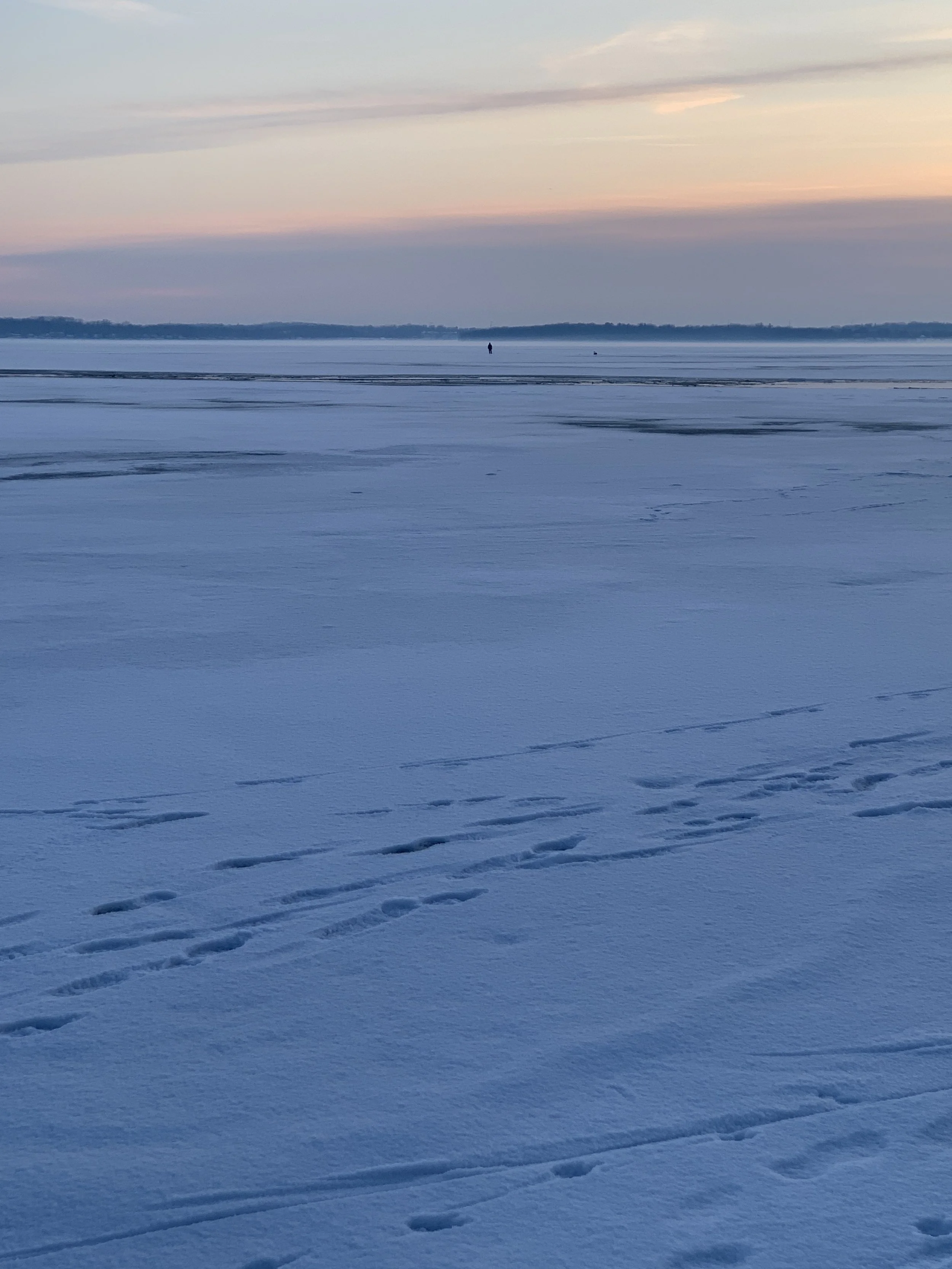
I’m Katy,
Mom of Ella and Grace, and the founder of Catfish River School. I’m also a psychologist with a PhD in Educational Psychology, and my ideas about learning come from both professional experience and a deep inner knowing of what children need to thrive.
As a solo parent, life is full — raising, loving, and learning alongside my daughters while working and creating this community. What started as an effort to find the right school for them slowly became something larger: a reimagining of what education itself can be.
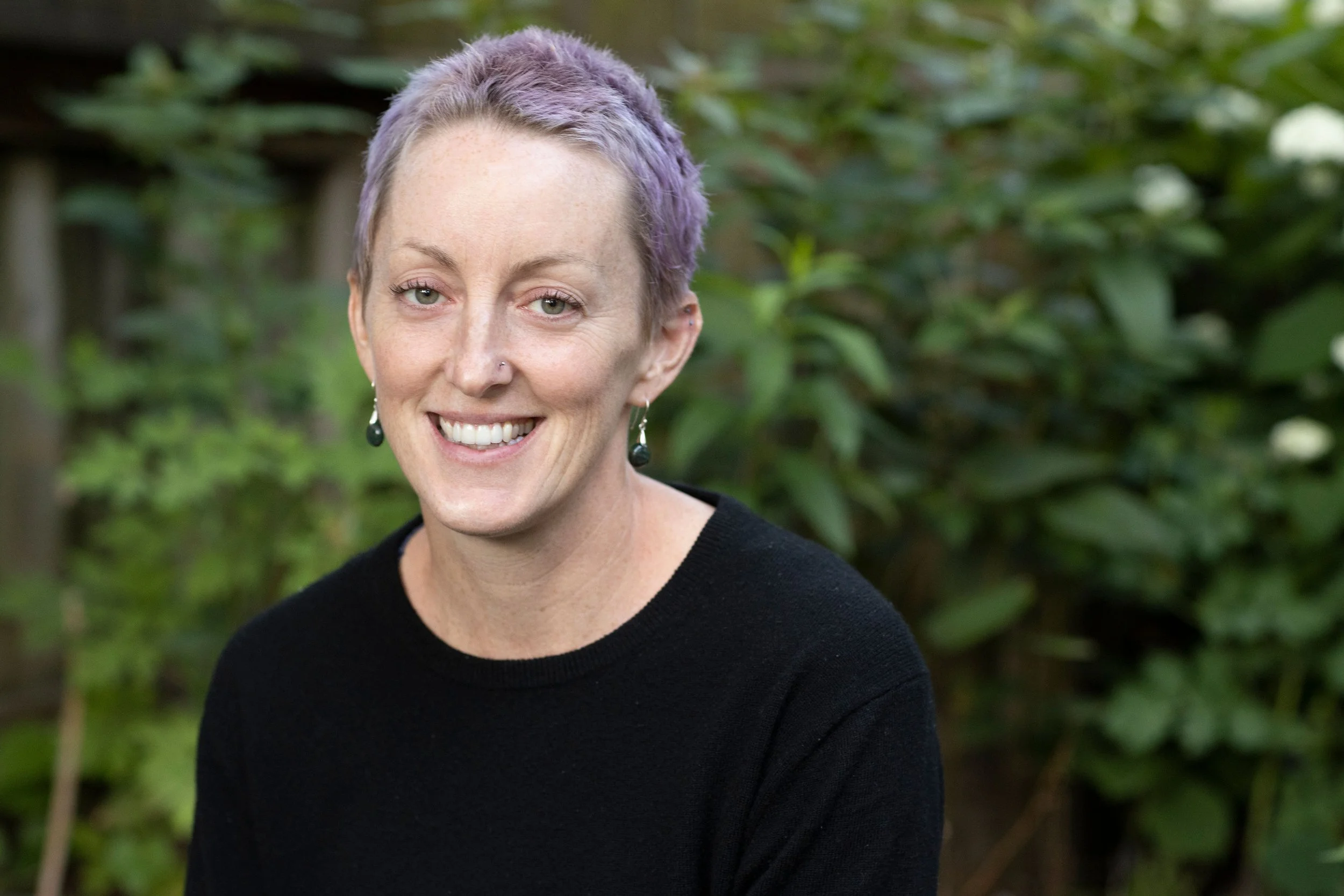
What We Learned Along The Way
I grew up in public schools all over the country, and assumed the question of where my kids would learn would be simple. It wasn’t.
Ella began in public kindergarten, with dedicated teachers doing incredible work — but so much learning happened through screens that she began to lose her natural curiosity and confidence. At a Waldorf school, she rediscovered her light under a deeply attuned teacher, but we also encountered fear and shame woven into the early childhood culture. At a “progressive” school, I hoped for a student-centered alternative — and found caring adults but a continuation of subtle control and compliance, even in the name of freedom.
Through all these experiences, I began to see that most schooling, even the well-intentioned kind, still rests on power-over rather than power-with. It asks children to fit into adult agendas instead of building learning through relationship and trust.
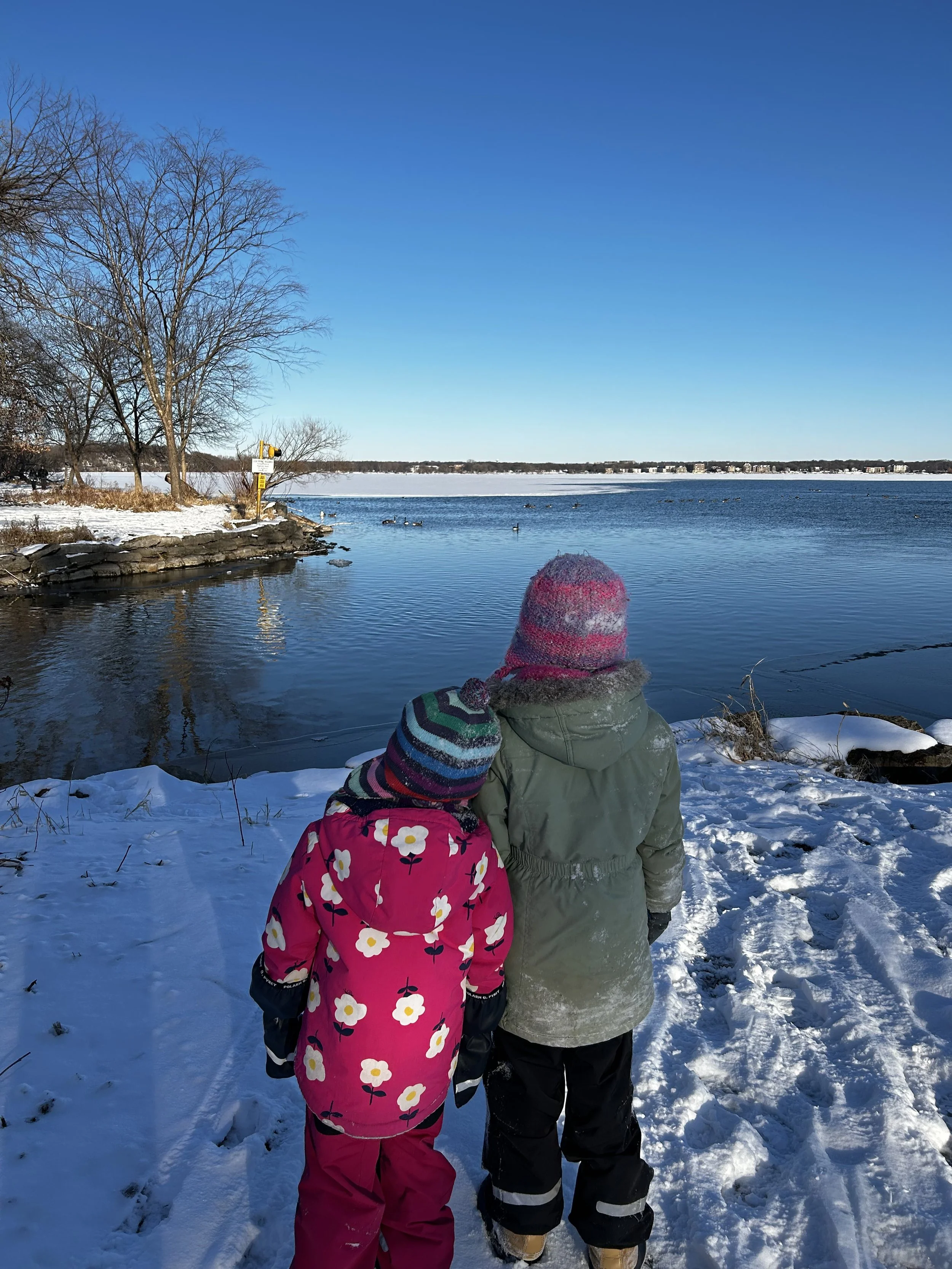
Exploring New Models
We turned to homeschooling for a year, and that opened everything. During that time, I read widely, attended webinars, connected with educators around the world, and visited alternative schools — Sudbury Valley in Massachusetts, ALC Mosaic in North Carolina, Wildwood ALC, and others.
Along the way, I found mentors and models that helped me reimagine what learning could look like: Dr. Laura Markham and Dr. Shefali Tsabary; Fred Rogers; Sophie Christophy and her work on Consent-Based Education in the UK; the sociocratic circle schools of the Netherlands; Wild Harvest Nature Connection; the Spokane Learning Co-op; and so many others.
Their ideas, along with thinkers like Robin Grille, who wrote Parenting for a Peaceful World, and Noam Chomsky, who reminds us that freedom is learned through experience, became touchstones as I began to imagine what might be possible here in Madison.
“The key to world peace and sustainability lies in the way we collectively relate to our children.”
— Robin Grille
“I’m convinced that when we help our children find healthy ways of dealing with their feelings, in ways that don’t hurt them or anyone else, we’re helping to make the world a safer, better place.”
— Fred Rogers
What Children Truly Need
After all that searching, I became clear about a few things:
We must do education differently — and the movement for change is growing.
Children’s curiosity and drive to connect are already within them; they simply need the conditions that protect and nurture those instincts.
What matters most — especially in early childhood — is learning how to be human: how to relate to self, to others, to community, and to the earth.
Freedom alone isn’t enough. Relationship, modeling, and intentional culture creation are what make freedom meaningful. That’s what Consent-Based Education offers — an environment where self-direction is held in balance with mutual respect and consent.
Becoming Catfish River
Catfish River School grew from this journey — from all the teachers and children who showed me what’s possible when we trust one another, and from a longing to create a community where connection truly changes everything.
Every story leads somewhere. Ours led to the principles that shape Catfish River.
“ Some people see things as they are and say why? I dream things that never were and say, why not?”
— Robert F. Kennedy